









Know If Your Seeds Are Still Worth Planting
Run a simple germination test and see how many seeds to sow for the plants you want.
This tool was built by Serge, MSc., a plant biologist and environmental scientist with a BSc in Plant Biology and an MSc in Environmental Biology and Biogeochemistry. My research focused on how climate warming affects soil carbon cycling in boreal forest ecosystems. These tools are for educational purposes and give practical guidance, not professional advice.
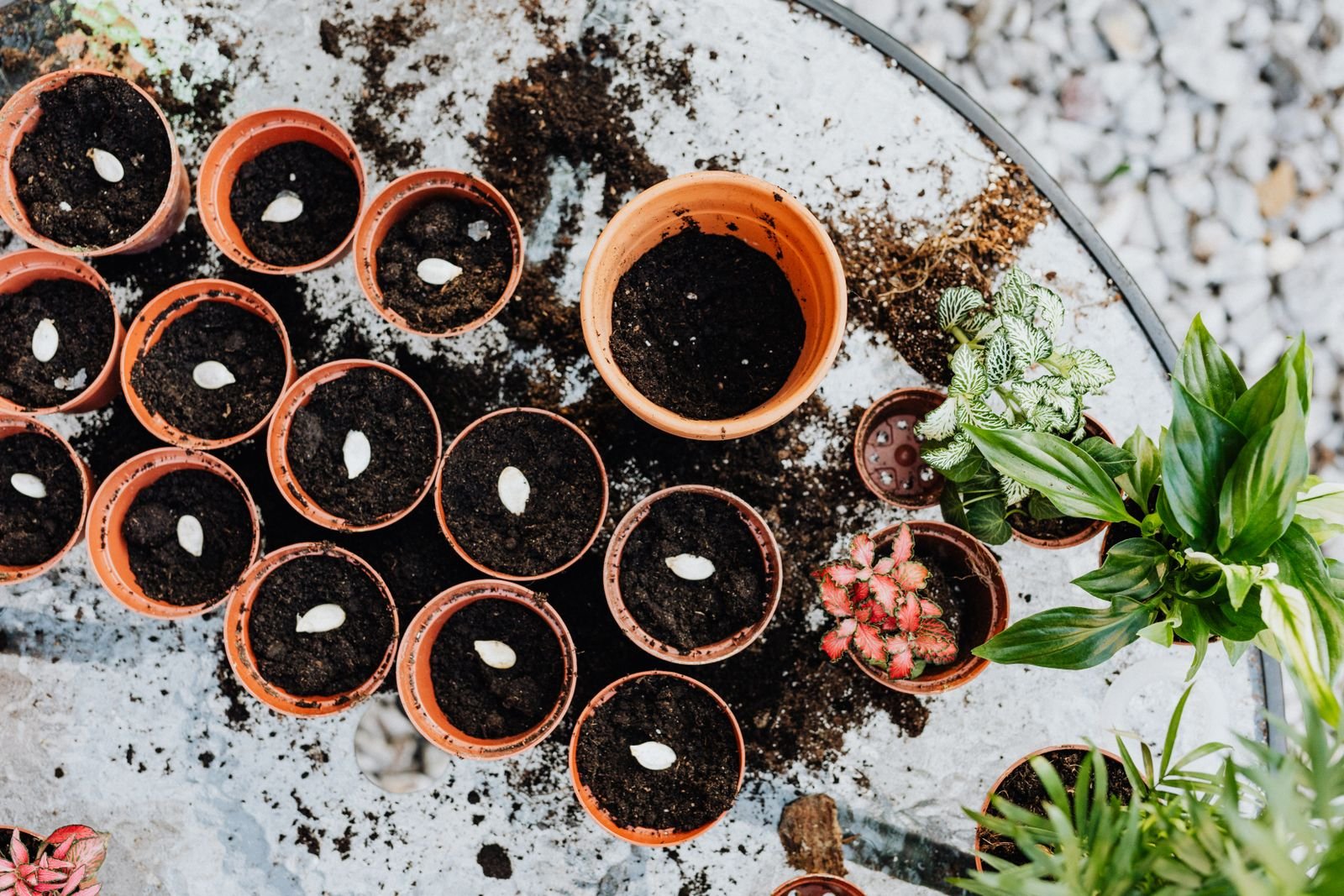
Old or poorly stored seed often still sprouts, just not reliably, and the only way to know is to test a sample before you commit a whole tray to it. Place a set number of seeds on damp paper towel, keep them warm, and count how many sprout after the days listed on the packet. Enter those two numbers below to get your germination rate, a plain reading of whether the seed is still good, and how many to sow to reach the number of plants you actually want.
Leave blank if you only want the germination rate.
Please enter the number of seeds tested and the number that sprouted. Sprouted cannot be more than tested.
How this works
Germination rate is simply the share of your tested seeds that sprouted, so ten seeds with eight sprouts is eighty per cent. Seed sold commercially has to meet minimum germination standards, usually around seventy to eighty-five per cent depending on the crop, so that range is a useful benchmark for your own test. When you tell the tool how many plants you want, it divides that by your germination rate to work out how many seeds to sow, rounding up so you are not left short.
Reading your result
A rate at or above eighty-five per cent is excellent and you can sow as normal. Seventy to eighty-four per cent is good and still reliable. Fifty to sixty-nine per cent means the seed is fading, so sow extra to make up for the gaps. Below fifty per cent the seed is unreliable, and unless it is rare or sentimental it is usually worth replacing. Remember a towel test runs in near-perfect warmth and moisture, so real garden results often sit a little lower.
Important note
Test a fair sample. Ten seeds gives a rough reading and twenty or more gives a steadier one, because a single seed swings the percentage less. Give each crop the warmth and the number of days its packet specifies before you judge it, since slow sprouters such as peppers and parsley can look like failures if you count too early.
Scientific basis
Seed viability and germination testing method, Oregon State University Extension: extension.oregonstate.edu. Federal seed germination standards for vegetable seed, USDA AMS: ams.usda.gov.
Pair this with my other free tools
Once you know your seed is good, time the sowing with the Seed Starting Calculator, work out how many will fit with the Plant Spacing Calculator, and get the bed right first with the Soil pH Adjuster.
Disclaimer: This calculator gives general educational guidance only. A home germination test estimates viability under ideal conditions and does not guarantee field results.
