
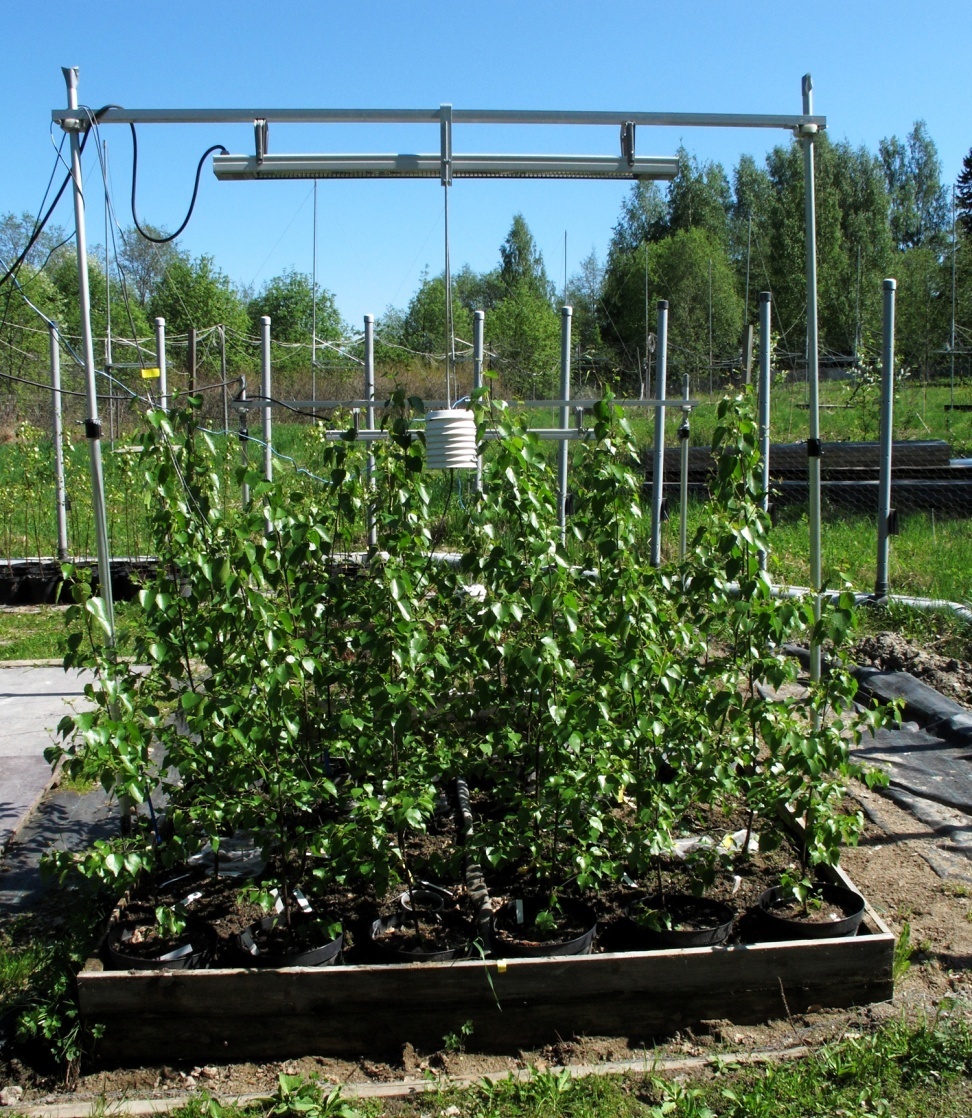
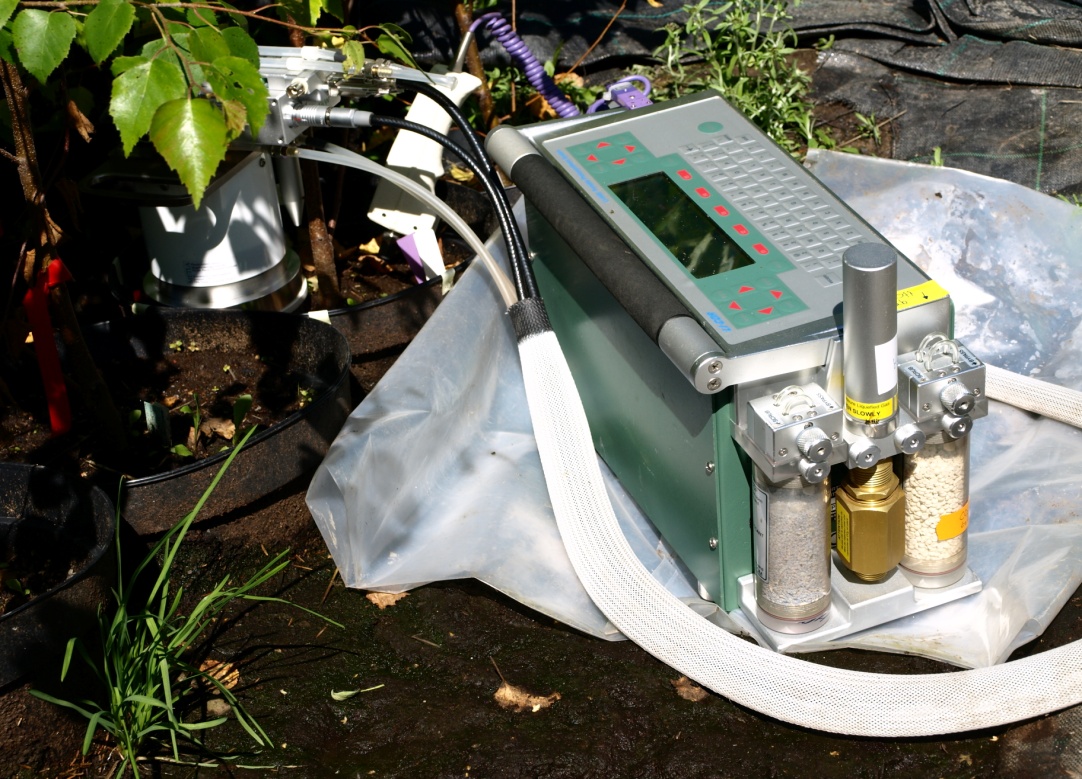













This article was written by Serge, MSc. Plant Biologist and Environmental Scientist with a BSc in Plant Biology and an MSc in Environmental Biology and Biogeochemistry. My background covers plant biochemistry, botany, and field research in forest and soil ecosystems. I write from real experience, not just literature.
Affiliate disclosure: This site has affiliate links, including Amazon. As an Amazon Associate I earn from qualifying purchases, at no extra cost to you.
Your electricity bill goes up again and you start turning things off at the wall. Phone chargers, the TV on standby, the bathroom light left on. It feels productive. But the numbers rarely shift much.
The reason is that those things are not where the energy goes. The physics of how a home uses energy points in a different direction entirely, and once you see it, the right priorities become obvious.
Let me walk you through what is actually happening.
Heat Always Wants to Move, and That Is Your Biggest Cost
The single biggest driver of household energy consumption in most climates is keeping the indoor temperature different from the outdoor temperature. Everything else is secondary to this.
Heat moves from areas of higher temperature to areas of lower temperature through three mechanisms: conduction through solid materials, convection through air movement, and radiation through surfaces. Your walls, windows, roof, and floor are all pathways along which heat travels, escaping outward in cold weather or flowing inward in hot weather.
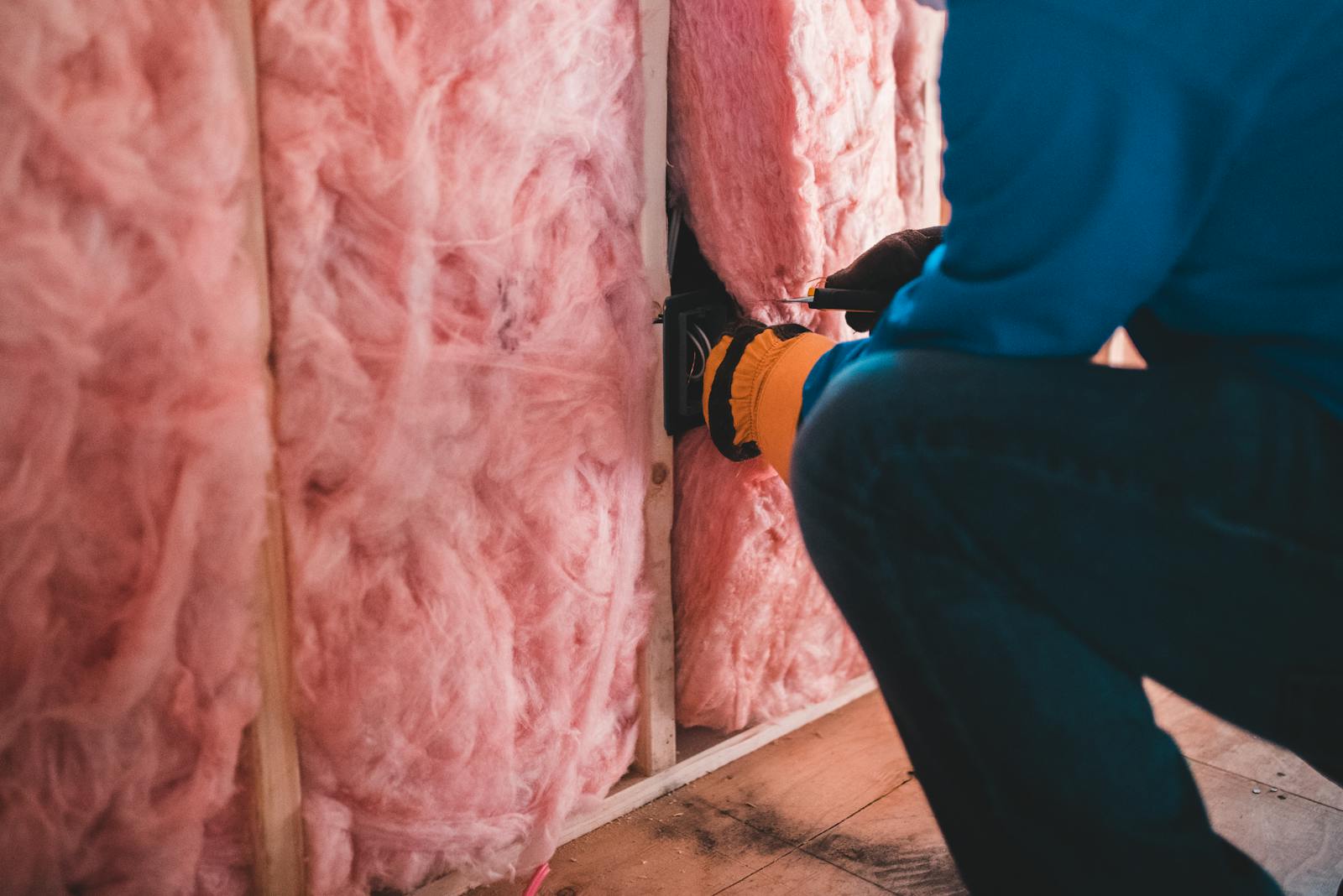
The rate at which heat moves through a material depends on its thermal conductivity. Materials with low thermal conductivity, like mineral wool, cellulose fibre, and still air, slow the rate of heat transfer. Materials with high thermal conductivity, like glass and metal, let heat move through quickly.
This is why a single-pane glass window loses heat at a rate many times higher than an insulated wall of the same area. Double glazing works because the trapped layer of still air or inert gas between the two panes has very low thermal conductivity. It is that gas layer doing the insulating work, not the glass.
I studied how gases move between ecosystems and the atmosphere as part of my environmental science training, and one thing that became very clear is how sensitively living systems respond to temperature shifts that feel small in human terms. In my field research I measured how a warming of less than one degree changed soil carbon flux significantly. That same sensitivity applies to buildings: small improvements in insulation translate into large reductions in heat flow and meaningful energy savings.

Why LED Lighting Is Worth Doing, Just Not Your Biggest Lever
Switching to LED lighting is one of the most visible energy efficiency changes people make. The savings are real and the chemistry behind why LEDs work so much better is genuinely interesting.
An incandescent bulb passes current through a tungsten filament until it glows white hot. Around 95 percent of the electrical energy goes into heat rather than light. It is essentially a small heater that produces some light as a byproduct.
An LED works through electroluminescence. When current passes through a semiconductor junction, electrons drop to a lower energy state and release photons directly. The conversion from electrical energy to light is far more efficient, losing much less as waste heat. A good LED uses around 80 to 90 percent less energy than an incandescent bulb for the same light output.
That is a real improvement. The reason it rarely transforms an electricity bill is that lighting typically accounts for around 10 to 15 percent of household electricity use. It is worth doing. It just needs to be kept in proportion.
The Heat Pump Question Everyone Asks: How Can It Be More Than 100 Percent Efficient
This is the one that confuses most people, and it is worth explaining clearly because it comes up constantly.
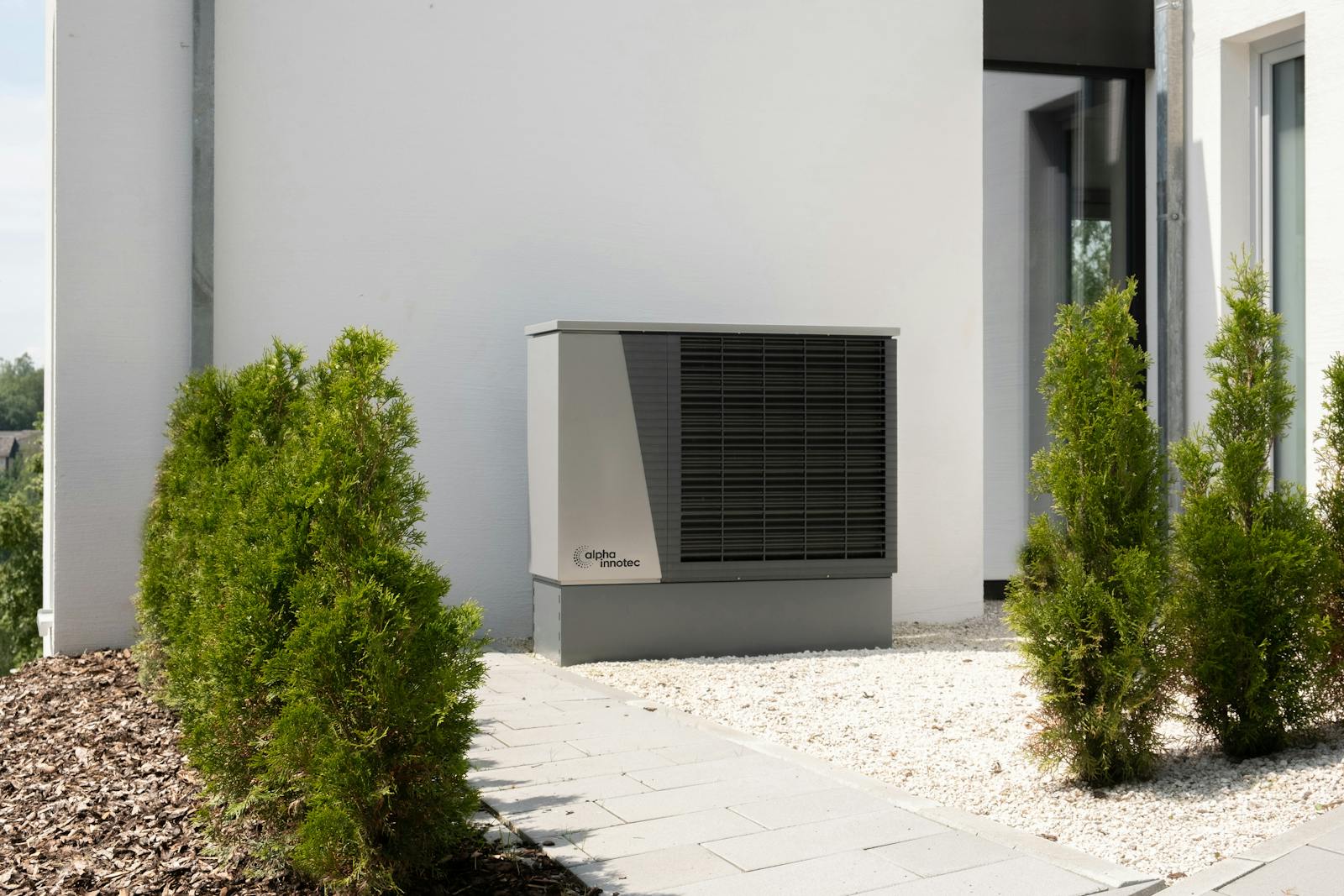
A heat pump does not generate heat from fuel. It moves heat from one place to another using the refrigeration cycle, the same physics as a refrigerator running in reverse. A refrigerant fluid absorbs heat from outdoor air or the ground at low temperature, is compressed to a higher pressure and temperature, and releases that heat indoors. The electrical energy powers the compressor, not the heat generation.
Because the heat pump is moving existing heat rather than creating it, the heat delivered to your home can be two to four times the electrical energy consumed. A coefficient of performance of 3.5 means 3.5 units of heat delivered for every unit of electricity used. Expressed as a percentage that looks like 350 percent efficiency. It does not violate any physics because the extra energy is coming from the outdoor environment, not from nowhere.
What affects heat pump efficiency most is the temperature difference between the outdoor air and the desired indoor temperature. The smaller that difference, the easier it is to move heat and the higher the coefficient of performance. As outdoor temperatures drop, the heat pump has to work harder and efficiency falls. Most air-source heat pumps work well down to around minus 15 to minus 20 degrees Celsius, but efficiency is lower at those extremes than in mild weather.
The downside of heat pumps is that they work best when buildings are well insulated, because they deliver heat at lower flow temperatures than gas boilers. A poorly insulated building that needs very high radiator temperatures to stay warm is not ideal territory for a heat pump. Insulation first, then heat pump, is usually the right sequence.
The Chemistry of Other Heating Options
A gas boiler burns methane, CH4, in air. The combustion reaction releases heat, which transfers to water circulating through the heating system. Modern condensing boilers recover heat from the exhaust gases by condensing the water vapour produced in combustion, pushing efficiency above 90 percent.
Electric resistance heaters convert electrical energy to heat at exactly 100 percent efficiency at the point of use. But since generating that electricity at a power station involves significant energy losses, electric resistance heating is usually the least efficient option overall unless the electricity comes from renewables.
Hot Water Is Using More Energy Than You Think
Hot water heating is consistently underestimated as an energy cost. Water has a high specific heat capacity, which means it needs a lot of energy to warm up. Heating a 150 litre tank of water from 15 to 60 degrees Celsius requires around 28 megajoules of energy, equivalent to running a 1000 watt appliance for nearly 8 hours.
Insulating the hot water tank and pipes reduces standby losses, the heat that escapes from stored water over time. It is one of the simplest improvements with a fast payback.
Washing machines use most of their energy heating water, not running the drum. Dropping from a 60 degree to a 30 degree wash roughly halves the water heating energy required.
The Indoor Air Quality Problem That Energy Efficiency Creates
Here is something most energy efficiency guides skip entirely, and it connects directly to my training in indoor environment science.
When you seal a building more tightly to reduce heat loss, you also reduce the ventilation rate. Any volatile organic compounds being off-gassed from building materials, furnishings, cleaning products, and paints then accumulate to higher indoor concentrations. The chemistry is simple: indoor VOC concentration equals emission rate divided by ventilation rate. Cut the ventilation rate and concentrations rise.
This is not a reason to avoid improving insulation. It is a reason to address ventilation deliberately at the same time. Heat recovery ventilation systems exchange indoor and outdoor air while recovering most of the thermal energy from the outgoing air stream, maintaining fresh air without the heat loss penalty of simply opening windows. Indoor air quality and energy efficiency both improve in the same step.
Frequently Asked Questions
What runs up an electricity bill the most?
In most homes it is heating and cooling, driven by heat moving through poorly insulated walls, windows, and roofs. Hot water heating comes next, then appliances. Lighting is usually a small fraction of the total.
What makes a home energy efficient?
A combination of good insulation reducing heat transfer through the building fabric, efficient heating and hot water systems, and controlled ventilation that maintains air quality without wasting heat. The insulation is usually the foundation everything else builds on.
How can a heat pump be more than 100 percent efficient?
Because it moves heat rather than generating it. The electrical energy powers a compressor that shifts heat from outdoor air into the building. The heat delivered can be two to four times the electrical energy consumed, because the extra energy comes from the outdoor environment. A coefficient of performance of 3.5 means 350 percent efficiency expressed as a percentage.
At what temperature does a heat pump lose efficiency?
Efficiency drops as the outdoor temperature falls, because the heat pump has to work harder to extract heat from colder air. Most modern air-source heat pumps function well down to around minus 15 to minus 20 degrees Celsius, but the coefficient of performance at those temperatures is lower than in milder conditions.
What is the downside of a heat pump?
Heat pumps work best in well-insulated buildings because they deliver heat at lower flow temperatures than gas boilers. In poorly insulated homes that need very high radiator temperatures, a heat pump may not perform as well. The upfront installation cost is also higher than a gas boiler replacement.
How do energy efficient homes help the environment?
By reducing the amount of fuel burned or electricity consumed to maintain comfortable temperatures. Less combustion means less CO2 and fewer nitrogen oxide precursors to ground-level ozone. Better insulated homes also contribute to reducing peak demand on electricity grids, which lowers the need for high-emission backup generation.
What are the best energy efficiency improvements for a home?
Roof and loft insulation gives the best return in most homes since heat rises and the installation is relatively simple. After that, draught-proofing around windows and doors, improving the heating system efficiency, and upgrading to a heat pump if the building fabric is already good. LED lighting is worth doing but is rarely the biggest lever.
Does a more airtight home mean worse air quality?
It can, if ventilation is not addressed deliberately. A tighter building concentrates VOCs from materials and products at higher indoor levels. Heat recovery ventilation solves this by maintaining fresh air exchange without the heat loss of open windows.
Why is insulation so important?
It reduces the rate at which heat conducts through the building fabric. The lower the thermal conductivity of the insulation, the slower heat moves, and the less energy the heating or cooling system has to put in to maintain the temperature difference between inside and outside.
How does a condensing boiler save energy?
A conventional boiler loses energy through hot exhaust gases. A condensing boiler cools those gases enough that the water vapour in them condenses, releasing latent heat back into the heating system. This pushes efficiency from around 70 percent in older boilers to above 90 percent.

