





This article was written by Serge, MSc. Plant Biologist and Environmental Scientist with a BSc in Plant Biology and an MSc in Environmental Biology and Biogeochemistry. My research focused on climate change effects on boreal forest ecosystems. I write from field experience, not just literature.
Affiliate disclosure: Some posts on this site may contain affiliate links. If you choose to purchase through these links, I may earn a small commission at no extra cost to you.
Most people switching to renewable energy want to know one thing: does it actually make a difference to the atmosphere, or is it mostly marketing dressed up as science.
The answer is yes it makes a real difference, but the chemistry behind why is more interesting and more nuanced than the marketing usually explains. Let me walk through what is happening atmospherically when combustion is replaced by solar, wind, or hydro generation.
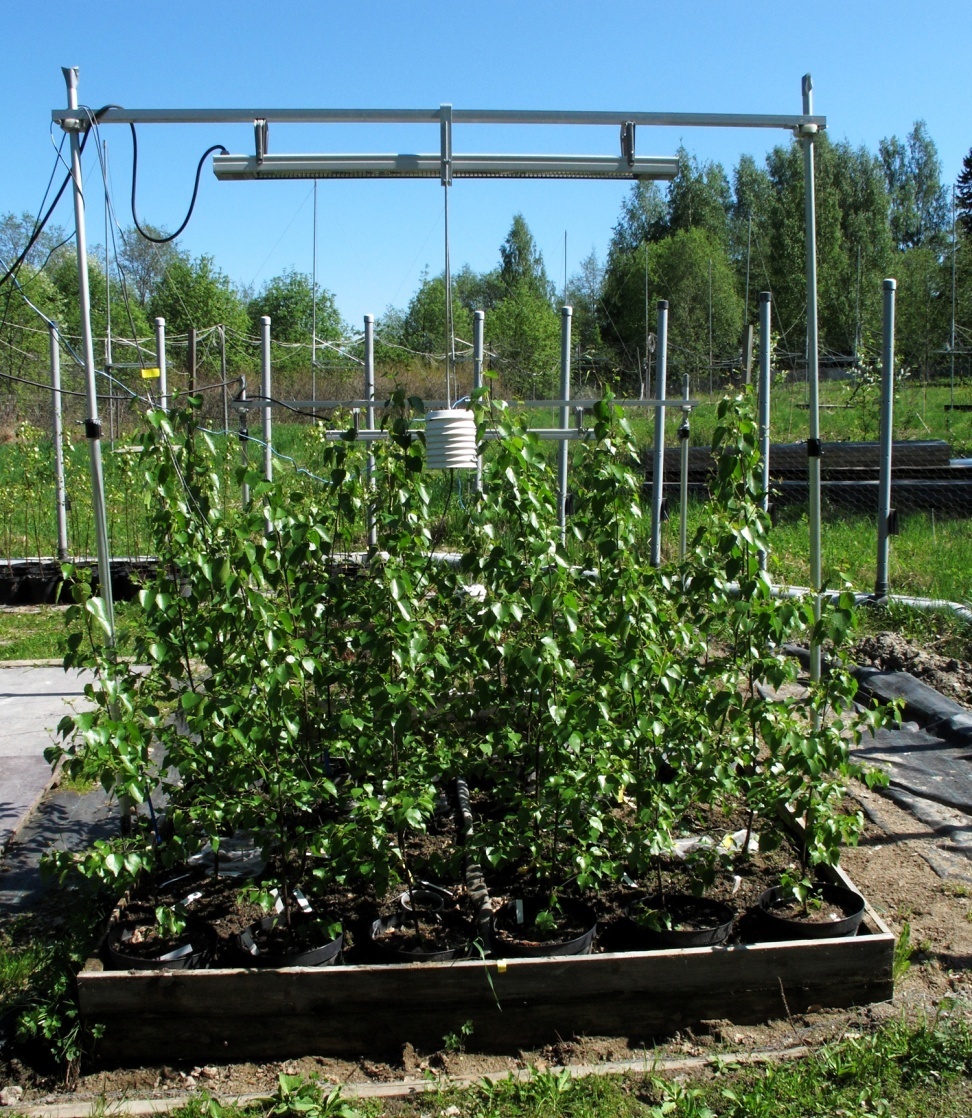
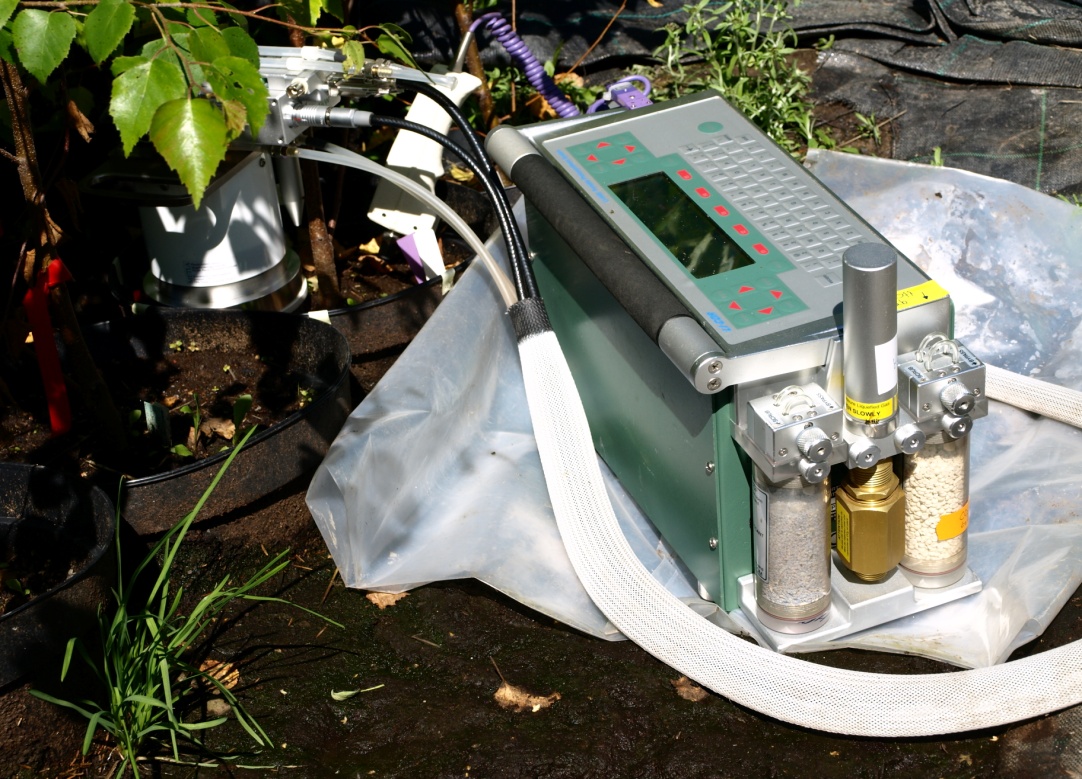
I studied atmosphere-biosphere exchange as part of my environmental science training, looking at how gases move between ecosystems and the atmosphere. I also spent two growing seasons measuring how elevated CO2 and ozone concentrations affected silver birch, Betula pendula, growth and soil carbon flux. Those two things together gave me a clear view of what atmospheric composition changes mean for living systems, and why the shift away from combustion matters at the ecosystem level, not just the policy level.
The Combustion Problem Renewable Energy Solves
Every time a fossil fuel burns, carbon that spent millions of years stored underground re-enters the atmospheric carbon pool as CO2. The atmosphere accumulates it faster than natural sinks, forests, soils, and oceans, can absorb it.
But CO2 is not the only atmospheric chemistry problem from combustion. High-temperature burning of fossil fuels also produces nitrogen oxides, NOx. Those react with volatile organic compounds in sunlight to form ground-level ozone. I worked directly with ozone in my field research and measured how it affected tree growth and soil carbon efflux at concentrations not far above what urban areas regularly experience. The biological effects were measurable within a single growing season.
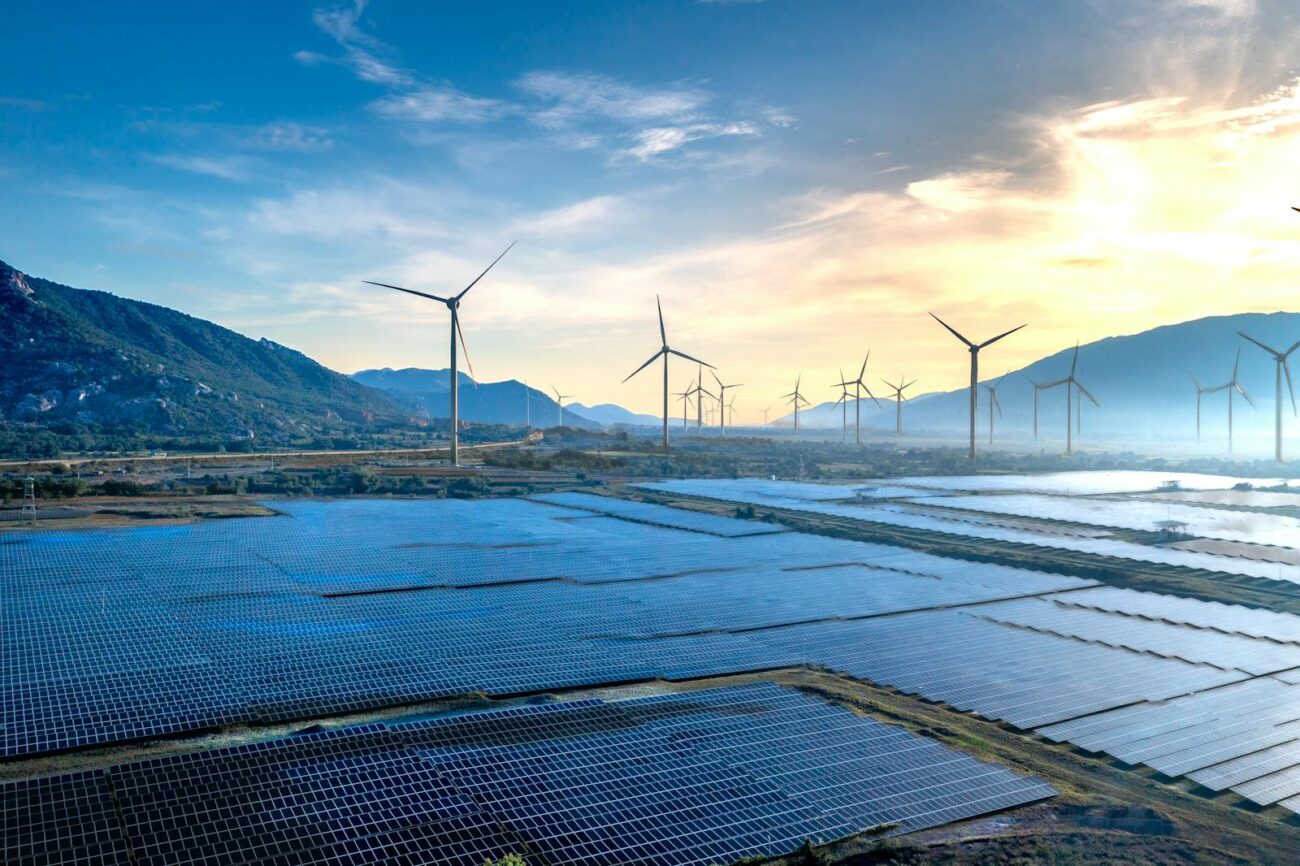
Renewable energy technologies address both problems at the point of generation. No combustion means no CO2 from fuel burning and no NOx precursors to ground-level ozone. That is the core atmospheric chemistry case for renewables, and it is a strong one.
Solar Energy and the Photovoltaic Chemistry
Solar photovoltaic cells convert sunlight directly into electricity through the semiconductor physics of silicon. Photons knock electrons across the p-n junction in doped silicon layers, generating a direct current that an inverter converts to alternating current for use.
The lifecycle carbon footprint of a solar panel comes almost entirely from manufacturing, the energy needed to purify silicon and produce the panel. Once installed, generation is close to zero-emission. The manufacturing energy debt is typically repaid within two to four years of operation, after which every kilowatt-hour generated displaces fossil fuel generation from the grid.
At a household or portable scale, solar generation means the electricity you use carries no combustion emissions at the point of generation. If you want a practical entry point into solar generation without a roof installation, a portable solar generator combines panels, battery storage, and an inverter in one unit.
Shop Jackery Solar Generators →

Wind Energy and Why It Works
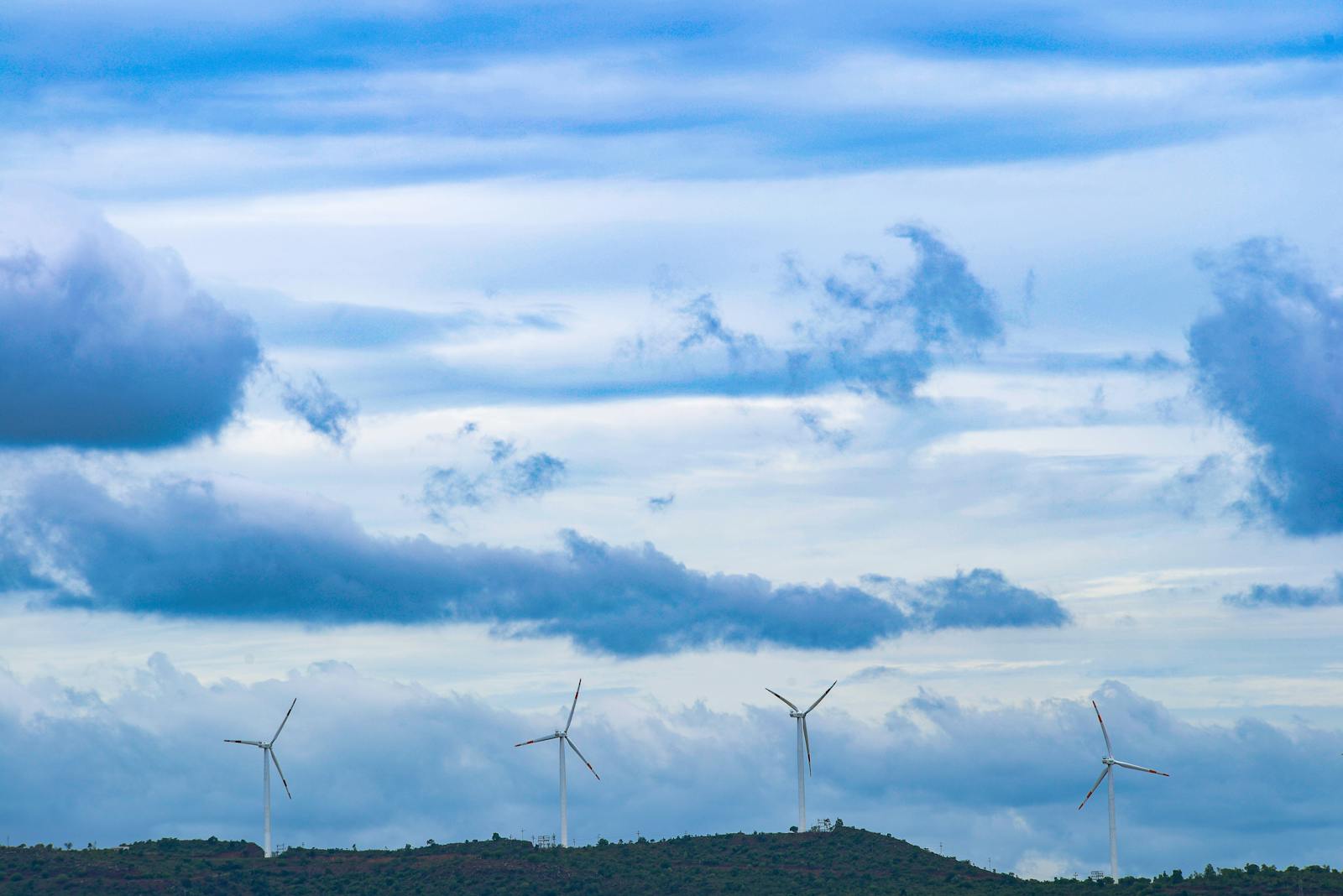
Wind turbines convert the kinetic energy of moving air into electricity through electromagnetic induction in a generator. No fuel is consumed, no combustion occurs, and no CO2 or NOx is produced during operation.
The atmospheric chemistry benefit is the same as solar: displacing fossil fuel generation removes the combustion chemistry that drives both CO2 accumulation and ground-level ozone formation.
Wind energy does carry upstream manufacturing costs in steel, fibreglass, and rare earth elements used in some generator designs. These have environmental footprints worth knowing about. But across a turbine’s operational lifetime of 20 to 25 years, the lifecycle emissions per kilowatt-hour generated are among the lowest of any energy source.
Hydropower, Reliable but Not Always Simple
Hydropower uses the gravitational potential energy of water moving through a dam to spin turbines. Like wind and solar, no combustion occurs during generation.
The atmospheric chemistry case for hydropower is strong at the generation stage. The more complicated picture involves reservoir chemistry. Large reservoirs in warm climates can produce significant methane, CH4, from decomposing organic matter submerged when the reservoir fills. Methane is a more potent greenhouse gas than CO2 over short timescales, which means poorly sited large reservoirs can have a worse atmospheric chemistry footprint than the grid electricity they displace.
Run-of-river hydropower, which does not involve large reservoirs, avoids most of this problem and has a genuinely low atmospheric footprint.
Geothermal and Biomass, the Less Talked About Options
Geothermal energy extracts heat from below the Earth’s surface to generate electricity or provide direct heating. It produces very low emissions during operation and is not weather-dependent, which makes it a stable baseload source where geology permits.
Biomass energy burns organic material, which does produce CO2. The argument for calling it renewable rests on the carbon cycle: if the organic material came from recently growing plants, the carbon released was recently in the atmosphere rather than stored for millions of years. That distinction matters for the long-term atmospheric carbon balance, though it does not eliminate short-term emissions.
Biomass becomes genuinely low-emission when combined with carbon capture and storage, a configuration called BECCS, bioenergy with carbon capture and storage. In theory this removes more CO2 from the atmosphere than the combustion releases. In practice the technology is still at an early stage.
What Renewable Energy Cannot Do On Its Own
There is something the renewable energy conversation regularly skips, and it is worth saying clearly.
Renewable energy reduces the rate at which we add CO2 and NOx to the atmosphere. It does not remove what is already there. The atmospheric CO2 already driving warming, and already increasing ground-level ozone precursors in many regions, will persist for decades to centuries even if all emissions stopped today.
This means renewable energy is a necessary but not sufficient response. It needs to work alongside carbon sequestration, which removes CO2 from the atmosphere and stores it, and alongside the ecosystem protection that keeps natural carbon sinks functioning.
The interconnection between these things is something I find genuinely compelling from my research background. The forests and soils that sequester carbon are the same systems affected by the ozone and temperature changes that fossil fuel combustion drives. Protecting the atmospheric chemistry that those ecosystems depend on is the same problem as reducing combustion emissions. They are the same challenge viewed from different angles.
Questions You May Have
Does renewable energy reduce atmospheric CO2?
At the point of generation yes, by displacing fossil fuel combustion that would otherwise add CO2 to the atmosphere. It does not remove existing CO2. The atmospheric benefit accumulates over time as renewables replace combustion generation.
What is the atmospheric chemistry problem with fossil fuels?
Two main problems. Combustion returns stored carbon to the atmosphere as CO2, accumulating faster than natural sinks can absorb it. High-temperature combustion also produces nitrogen oxides that react with VOCs in sunlight to form ground-level ozone, a secondary pollutant with measurable effects on ecosystems.
Are renewables truly zero emission?
At the point of generation, yes for solar, wind, and run-of-river hydro. Manufacturing carries a carbon footprint that is repaid within a few years of operation. Large reservoir hydro and biomass have more complex emission profiles.
What is the lifecycle carbon footprint of a solar panel?
Manufacturing is the main footprint, primarily from silicon purification. Most analyses put the energy payback period at two to four years, after which generation is effectively zero-emission for the remaining 25 or more year lifespan.
Why does ground-level ozone matter here?
Ground-level ozone forms from nitrogen oxides produced by combustion. It damages plant tissue, reduces forest productivity, and affects soil carbon cycling. Eliminating combustion removes the precursor chemistry for ozone formation.
Is hydropower always clean?
At the generation stage yes, but large reservoirs in warm climates can produce significant methane from decomposing submerged organic matter. Run-of-river systems avoid this problem and have genuinely low atmospheric footprints.
Can renewable energy completely replace fossil fuels?
In electricity generation yes, in principle and increasingly in practice. For some industrial processes requiring very high-temperature heat, direct substitution is more technically challenging. The transition is underway but not complete.
What is BECCS?
Bioenergy with carbon capture and storage. Burning biomass produces CO2, which is captured and stored rather than released. In theory this removes more carbon from the atmosphere than burning releases. In practice the technology is at an early stage of deployment.
How does renewable energy connect to carbon sequestration?
Renewable energy reduces the rate of CO2 addition to the atmosphere. Carbon sequestration removes what is already there. Both are needed. Protecting the ecosystems that sequester carbon also requires stabilising the atmospheric chemistry that combustion disrupts, so the two approaches are deeply connected.
