





This article was written by Serge, MSc. Plant Biologist and Environmental Scientist with a BSc in Plant Biology and an MSc in Environmental Biology and Biogeochemistry. My research focused on climate change effects on boreal forest ecosystems. I write from field experience, not just literature.
Affiliate disclosure: Some posts on this site may contain affiliate links. If you choose to purchase through these links, I may earn a small commission at no extra cost to you.
I remember sitting in a biogeochemistry lecture looking at a diagram of the nitrogen cycle and thinking: this is a circular economy. Carbon moves from atmosphere to plant to soil to microbe and back to atmosphere. Nitrogen fixes from the air, moves through biological systems, returns to the soil. Phosphorus weathers from rock, cycles through living tissue, deposits back into sediment. Nothing is wasted because everything is someone else’s input.
Nature solved the circular economy problem a very long time ago. The fact that we are still figuring out how to apply it to manufacturing and retail says something interesting about how we designed industrial systems in the first place.
The linear economy, take a resource, make a product, dispose of the waste, only works if resources are infinite and waste has somewhere to go. Neither is true. The circular economy is the attempt to redesign industrial systems around the same closed-loop chemistry that natural biogeochemical cycles run on. Understanding the science behind those natural cycles helps you evaluate which circular economy claims are genuinely sound and which are just rebranding.
What the Biogeochemical Cycles Actually Show Us
The carbon cycle is the most relevant starting point. In a natural system, carbon fixed by plants through photosynthesis moves into biomass, soil organic matter, and eventually back to the atmosphere through respiration and decomposition. The key feature is that carbon is never lost from the system. It changes form and location, but the material is continuously cycled.
In my advanced biogeochemistry studies I covered how nutrient cycling works through ecosystems in detail, tracking carbon, nitrogen, and phosphorus through soil chemistry, decomposition pathways, and atmospheric exchange. One thing that stayed with me from that work was how tightly coupled cycling rates are to microbial community activity. The decomposers are the unsung heroes of natural circular systems. Without fungi, bacteria, and soil invertebrates breaking down organic matter and releasing nutrients back into plant-available forms, the cycle stalls completely.
The industrial parallel is genuine. A product that can be fully disassembled, with each material stream going back into a production process for that same material, is mimicking the biogeochemical principle of continuous cycling. A product that cannot be disassembled, or that mixes material types in ways that prevent separation, is the industrial equivalent of a molecule that resists decomposition. It accumulates rather than cycling.
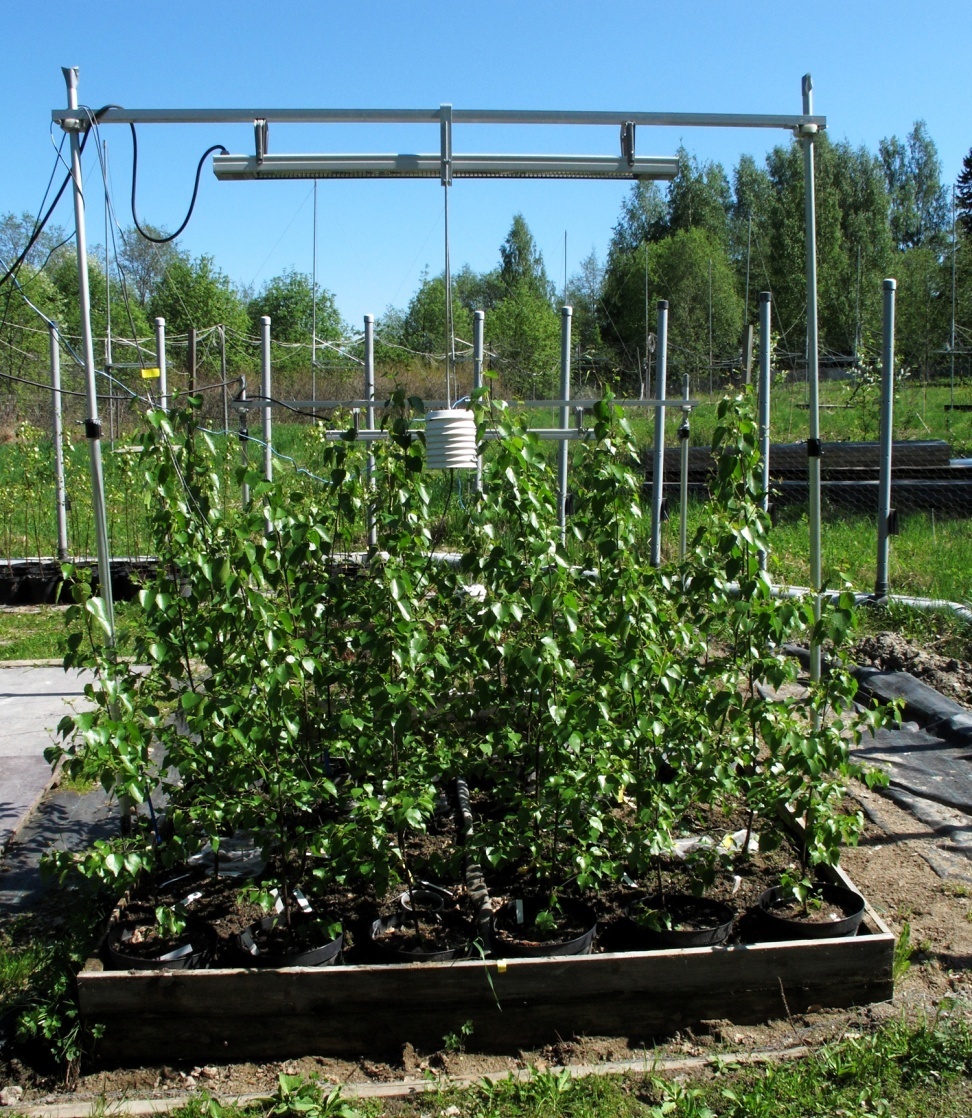
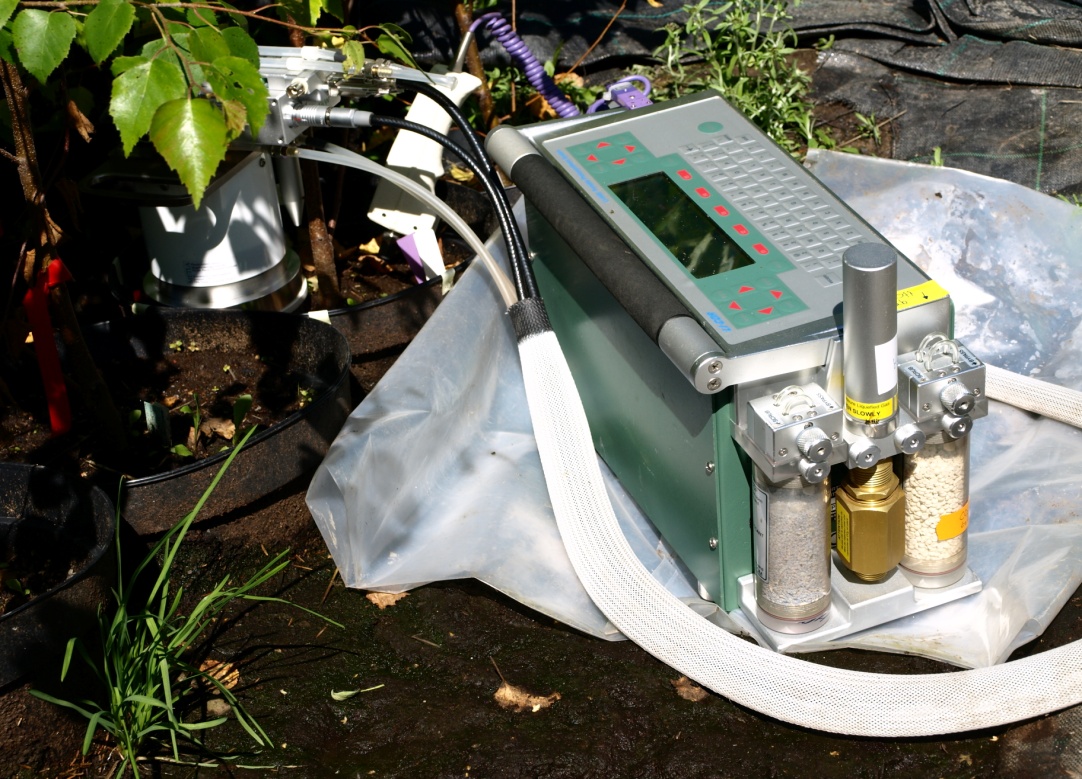
And I say that from direct experience. In my field research I measured soil CO2 efflux under different treatments across two growing seasons, watching how temperature changes shifted the rate at which soil microbes processed organic carbon back to the atmosphere. Even a sub-degree warming changed the cycling rate measurably. The cycling is always happening and always sensitive to conditions. Industrial circular systems need the same sensitivity built in at the design stage.
Where the Chemistry Gets Complicated
At first I assumed the circular economy was straightforward. Make things reusable, recycle what you cannot reuse, and the loop closes. Then I looked at the material chemistry and realised it is considerably more nuanced.
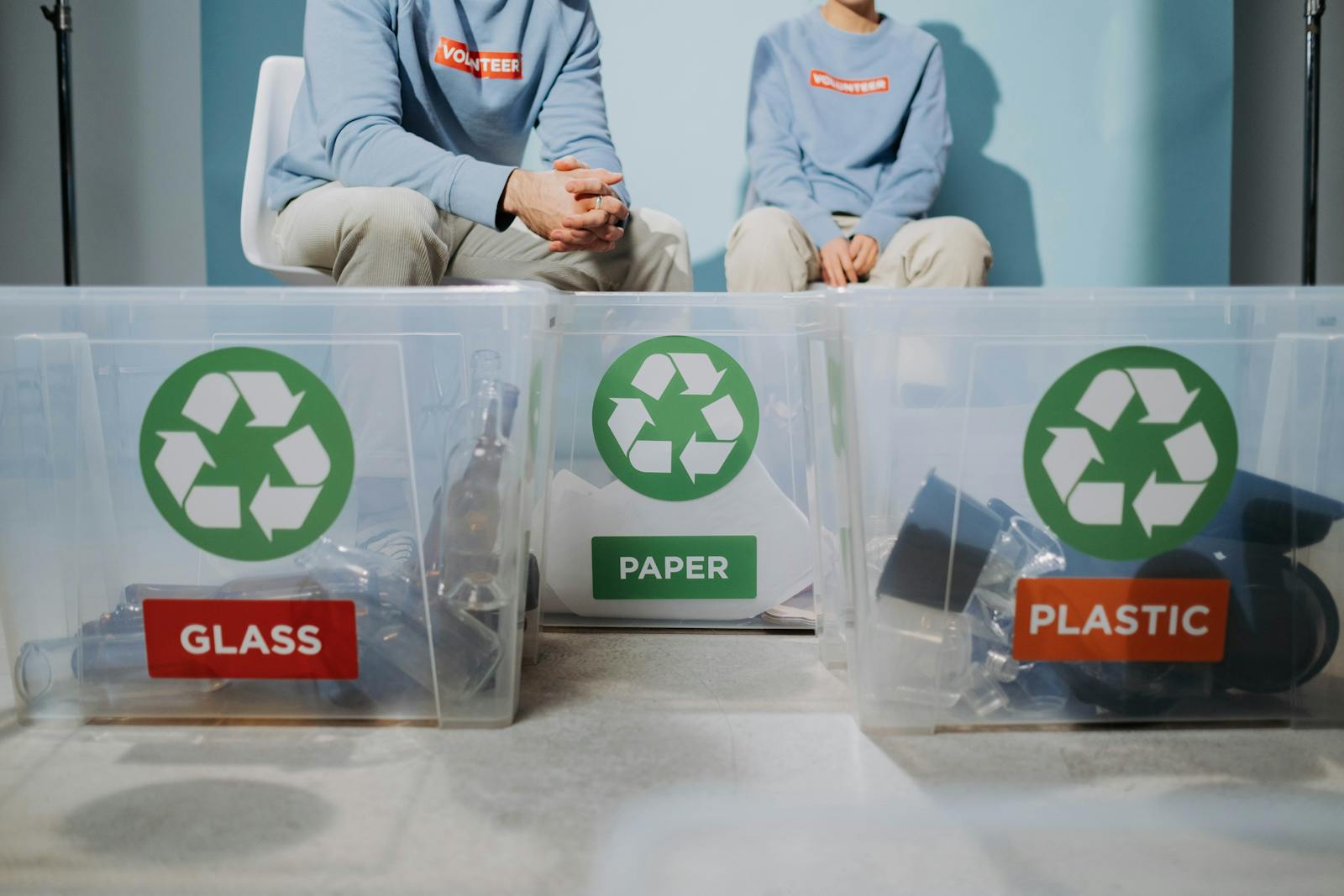
Recycling is not a single process. It is a family of chemical and physical processes with very different efficiency profiles depending on the material.
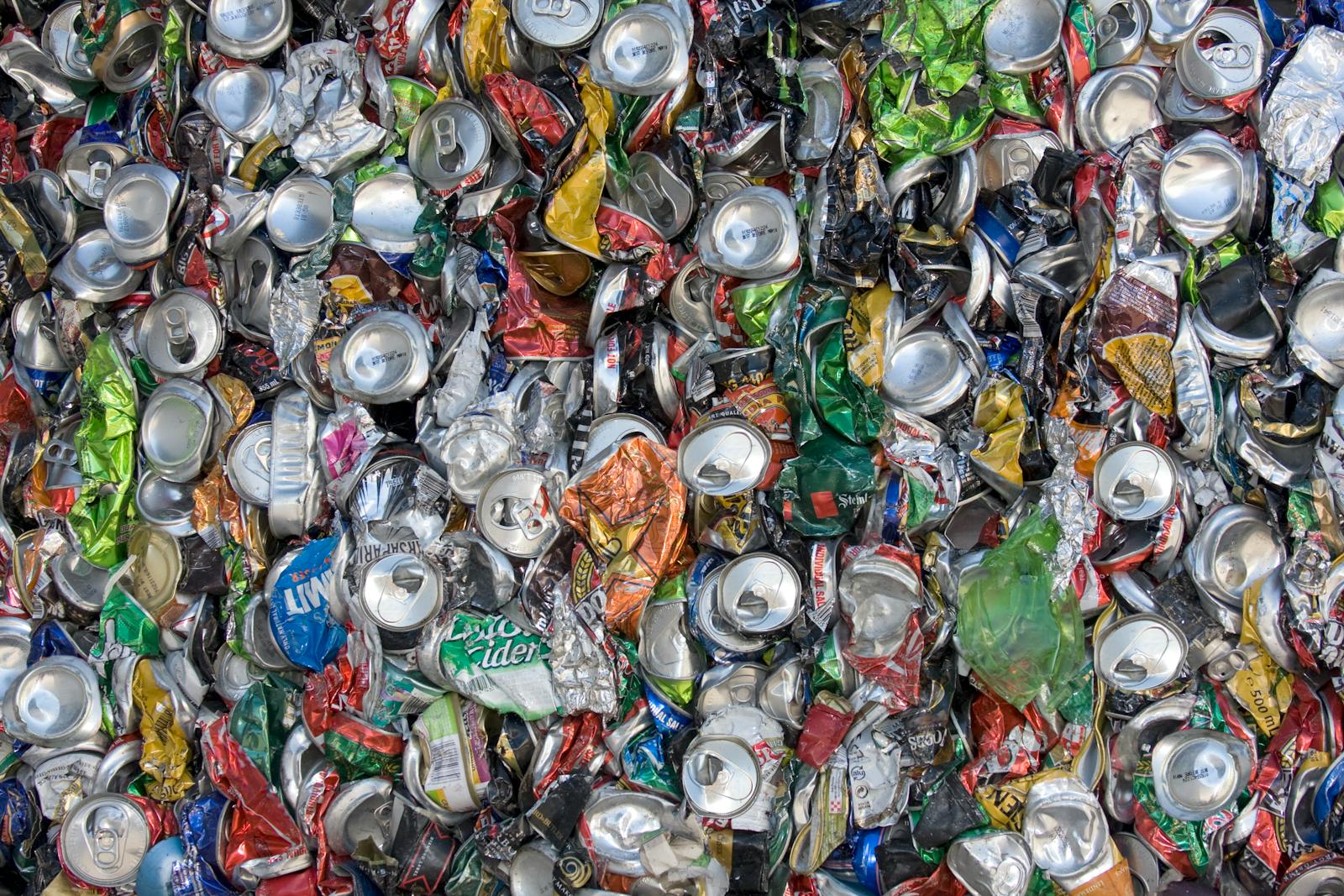
Aluminium recycling is close to genuinely circular from a chemistry perspective. Melting and reforming aluminium requires around 5 percent of the energy needed to produce primary aluminium from bauxite ore. The material properties are essentially unchanged through multiple cycles. This is one of the cleaner examples of industrial cycling working as intended.
Plastic recycling is far more complicated. My ecotoxicology training covered how persistent synthetic compounds move through environmental systems and resist breakdown, and plastic polymers are persistent by design. Most plastic recycling is downcycling, the material is reformed into a lower-value product because the polymer chains degrade during reprocessing and contaminants are difficult to remove completely. A PET bottle recycled into polyester fibre for clothing is not circular in the same sense as aluminium recycling. The material ends up in a product from which further recycling is difficult, and it eventually enters the waste stream anyway, just one cycle later.
The most genuinely circular plastic recycling is chemical recycling, breaking polymers back down into their monomer building blocks and reforming them into virgin-quality material. This is technically possible for several polymer types but is currently expensive and energy-intensive at scale. It is where the chemistry needs to go, but it is not where most plastic recycling currently sits.
Paper and cardboard recycling works well for a limited number of cycles. Paper fibres shorten with each recycling pass, reducing the quality of the output. After several cycles the fibres are too short for paper production and the material exits the loop.
Understanding these material-specific chemistry limits helps evaluate circular economy claims. Not all recycling is equally circular. The chemistry of each material stream determines how many times it can cycle and what it becomes at each stage.
The Biological Circular Economy, Composting and Anaerobic Digestion
The most genuinely circular industrial processes are those that tap into the same biological cycling that natural biogeochemical systems use.
Composting organic waste routes carbon through aerobic decomposition, returning nutrients to soil in plant-available forms. My biogeochemistry studies covered decomposition pathways in detail, including how soil organic matter forms from the breakdown of plant material and how microbial communities process different carbon compounds at different rates. The output of well-managed composting, mature humic compounds, improves soil structure, water retention, and microbial diversity in ways that synthetic fertilisers cannot replicate. The carbon cycling chemistry matches what happens on a forest floor, just managed and accelerated.
Anaerobic digestion takes organic waste and processes it through microbial communities in the absence of oxygen. The output is biogas, primarily methane, CH4, which can be used for energy, and digestate, a nutrient-rich material that can be applied to land. This captures the energy value of organic waste rather than releasing it as uncontrolled landfill methane, and it returns nutrients to agricultural land rather than losing them to landfill.
Both processes close loops that the linear economy leaves open. Food waste that would otherwise produce landfill methane and lose its nutrient value becomes either soil amendment or combined energy and nutrient recovery. The chemistry is the same as in natural systems. The engineering just manages the conditions to optimise the output.
The Design Problem That Starts Everything
The reason natural biogeochemical cycles are so efficient is that the molecules involved were shaped by millions of years of selection pressure toward cyclability. Everything that persists in a natural system does so because it either cycles or provides a function that compensates for its persistence.
Industrial products were designed for function and cost, not for cyclability. A modern smartphone contains dozens of different materials, many of them bonded in ways that make separation difficult or energy-intensive. The valuable materials, gold, palladium, rare earth elements, are present in small enough quantities that recovery requires specialist processing and is only economic at scale.
Designing for circularity means thinking about material separation at end of life at the point of initial design. Products made from single material types, or from materials that can be easily separated at end of life, can cycle more efficiently. Products that mix materials in permanent bonds create the industrial equivalent of a molecule that resists decomposition. They accumulate in the waste stream rather than cycling.
This is the chemistry and engineering challenge at the heart of the circular economy. It is less about recycling what already exists and more about designing what comes next so it can cycle from the start.
What the Science Says About Scale
Here is the part that most circular economy articles skip. Natural biogeochemical cycles are circular because the energy that drives them, ultimately solar energy, is genuinely renewable and arrives continuously. Industrial circular systems require energy for every reprocessing step, and that energy has to come from somewhere.
During a spring school course I took on atmosphere-biosphere exchange, we studied how energy and matter flow through ecosystems as integrated systems using eddy covariance measurement techniques to track gas exchange between vegetation and the atmosphere. What became clear is that you cannot separate material cycling from energy cycling. They are the same system viewed from different angles.
The same applies industrially. The circularity of industrial systems is only as good as the energy system behind them. Chemical recycling of plastics, aluminium remelting, composting at scale, anaerobic digestion, all require energy inputs. If that energy comes from fossil fuels, the circular material loop is embedded in a linear energy system. The material cycling benefit is real, but it is not independent of the energy question.
This is not an argument against circular economy approaches. It is an argument for understanding that material circularity and energy circularity are connected problems that need to be addressed together. You cannot close the material loop without also addressing the energy loop.
Common Questions
What is a circular economy and how does it differ from a linear economy?
A linear economy follows a take, make, dispose pathway where materials are extracted, used once, and discarded. A circular economy aims to keep materials in use through reuse, repair, and recycling, modelling the closed-loop cycling of natural biogeochemical systems where nothing is permanently wasted.
Is recycling always circular?
No. Different materials have very different recycling chemistry. Aluminium recycling is genuinely circular, preserving material quality through multiple cycles at low energy cost. Most plastic recycling is downcycling, producing lower-quality material each cycle. Chemical recycling that breaks polymers back to monomers is more genuinely circular but is currently expensive at scale.
What are biogeochemical cycles and why are they relevant to circular economy thinking?
Biogeochemical cycles are the natural pathways through which carbon, nitrogen, phosphorus, and other elements move between living organisms, soil, water, and the atmosphere. They are the original circular systems. Industrial circular economy design is attempting to apply the same closed-loop principles to material and nutrient flows in manufactured systems.
How does composting fit into the circular economy?
Composting routes organic waste through aerobic decomposition, returning carbon and nutrients to soil in plant-available forms. It closes the organic carbon loop that the linear economy leaves open, converting food and garden waste into a soil amendment rather than a source of landfill methane.
What is anaerobic digestion and what does it produce?
Anaerobic digestion processes organic waste through microbial communities without oxygen. It produces biogas, primarily methane that can be used for energy, and digestate, a nutrient-rich material suitable for land application. It recovers both the energy and nutrient value of organic waste simultaneously.
Why is product design so important for circularity?
Products designed from single materials or easily separable components can cycle efficiently at end of life. Products that mix materials in permanent bonds are difficult to recycle and tend to accumulate in the waste stream. Design for circularity means thinking about end-of-life material separation at the point of initial design.
Does the circular economy solve the plastic problem?
It addresses part of it. Keeping materials in use longer and improving recycling chemistry reduces the volume of plastic entering the waste stream. But the most persistent plastic contamination comes from material that has already fragmented into microplastics, which no circular economy approach can recover from the environment. Reducing plastic at source remains the most important intervention.
Why does energy matter for circular economy systems?
Every reprocessing step requires energy. If that energy comes from fossil fuels, the circular material system is embedded in a linear energy system. Material circularity and energy circularity are connected problems. Closing material loops fully requires clean energy to drive the reprocessing chemistry.
