









Seed Starting Calculator
Work out when to sow seeds indoors from your last frost date.
This tool was built by Serge, MSc., a plant biologist and environmental scientist with a BSc in Plant Biology and an MSc in Environmental Biology and Biogeochemistry. My research focused on how climate warming affects soil carbon cycling in boreal forest ecosystems. These tools are for educational purposes and give practical guidance, not professional advice.
Most seed-starting problems are timing problems, not soil or seed problems. Start too early and seedlings grow leggy under indoor light. Start too late and you lose your head start. Enter your average last spring frost date and the crop, and this tool counts back the recommended weeks to give your indoor sowing window and when to move plants outside.
Please choose your last frost date and a crop.
How this works
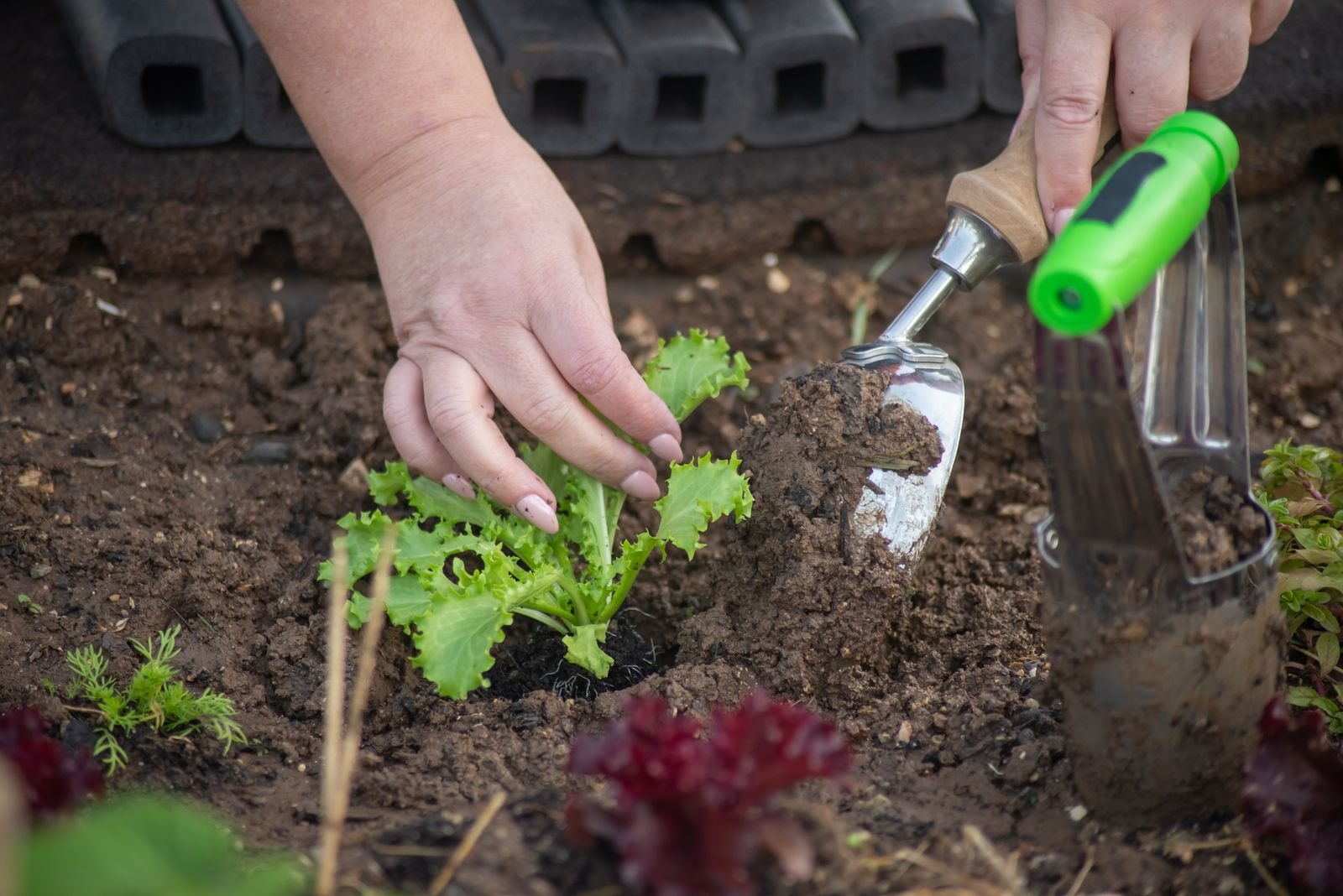
Each crop has a recommended number of weeks it needs indoors before it is ready to transplant, drawn from extension seed-starting guidance. The tool subtracts that window from your last frost date to give the sowing window. It also sets a transplant date: frost-tolerant crops can go out a few weeks before the last frost, while frost-sensitive crops such as tomatoes and peppers should wait until one to two weeks after it, when the soil has warmed.
Understanding your result
The sowing window is a range because seeds and conditions vary. Aim for the middle unless you have a warm, bright setup, in which case the later end avoids leggy seedlings. Harden off any indoor-grown seedling over seven to ten days before it goes outside, moving it into outdoor conditions gradually. Warm-season crops also need soil warmth, not just a frost-free date, so check soil temperature before transplanting.
Important note
The last frost date is a long-term average, not a guarantee. Any given spring can arrive two weeks early or late, so watch the ten-day forecast near transplant time and keep frost protection ready. Find your local average frost date from a national weather service or a local cooperative extension office before using this tool.
Scientific basis
- University of Minnesota Extension, starting seeds indoors: extension.umn.edu
- Cornell Cooperative Extension seed-starting guidance (crop timing windows): gardening.cals.cornell.edu
Disclaimer: This calculator gives general educational timing guidance based on average frost dates and does not guarantee results in any given season.
